When a Tree Goes Rogue: Your Essential Guide to Emergency Tree Services in Downey, CA
I. Intro: When Nature Calls (and Your Tree Answers Dramatically)
Imagine the scene: a night thick with storm clouds, the wind howling like a banshee. Suddenly, a sickening crack echoes through the neighborhood. Or perhaps it’s a seemingly calm day, but you notice a disturbing lean to that ancient oak in your front yard. That primal feeling of panic? That’s nature reminding us that trees, magnificent as they are, can sometimes become a threat. Emergency tree services aren’t just another line item on your garden chore list; they’re the urgent, unplanned interventions required when a tree poses an immediate risk to safety, property, or even the vital utilities that power our lives. And in a community like Downey, CA, nestled in the heart of Southern California, understanding these services is not just prudent – it’s crucial.
II. The “Uh Oh” Moment: What Constitutes a Tree Emergency?
Let’s be clear: a few fallen leaves do not a tree emergency make. We’re talking about real, tangible hazards, situations where inaction could have serious consequences. What are some of the common culprits that transform a benign tree into a looming danger?
- Stormy Mayhem: The obvious one. High winds, torrential rain, and the dreaded lightning strike can turn even the sturdiest trees into projectiles or precarious leaning towers.
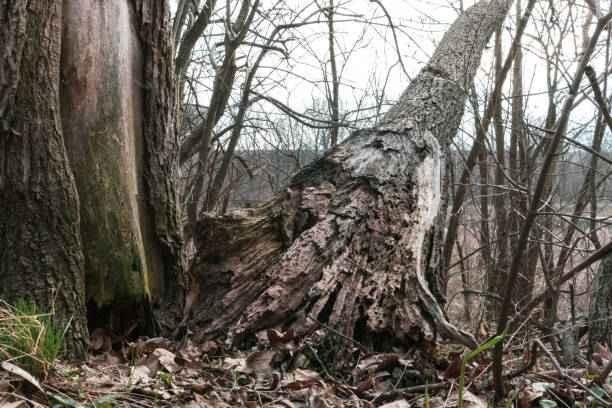
- The Leaning Tower of Pisa (but worse): A tree suddenly tilting at an alarming angle, roots visibly uprooting from the earth, or a trunk displaying ominous cracks – these are all signs of impending disaster.
- Creepy Critters & Silent Killers: Sometimes, the threat is invisible. Diseased, pest-infested, or simply dead trees can give up the ghost without warning, their weakened structures unable to withstand even a gentle breeze.
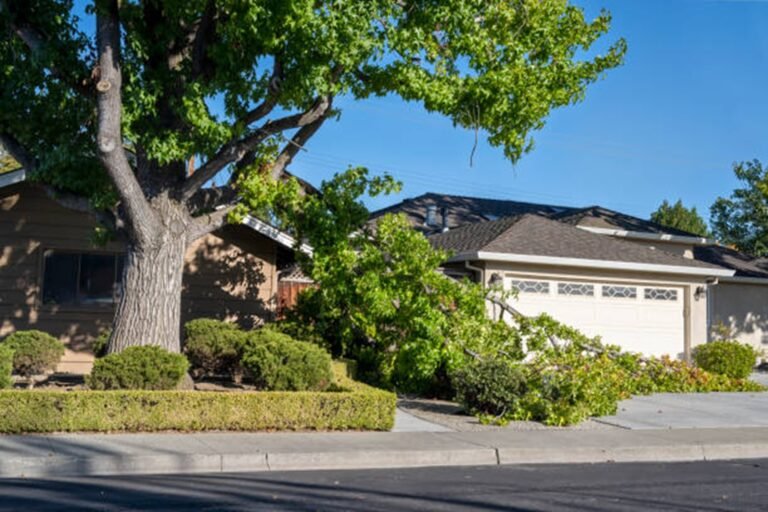
- Too Close for Comfort: When a tree threatens your home, your car, your fence, or, heaven forbid, those all-important power lines, immediate action is paramount. (And remember, if power lines are involved, your first call should always be to the utility company!).
- Roadblock!: A fallen tree blocking access to your driveway or, even worse, a local street isn’t just an inconvenience; it’s a potential hazard for everyone.
In all these scenarios, swift action isn’t just advisable; it’s essential to prevent injury, minimize property damage, and avert further chaos. The window of opportunity can be surprisingly small.
III. Roots of Resilience: A Historical Glimpse at Tree Care in Southern California
To truly appreciate the importance of emergency tree services, it’s helpful to understand their historical context. In the early days of 20th-century Los Angeles, tree care was a far cry from the sophisticated practice it is today. Early “tree surgeons” focused primarily on basic tree removal and, crucially, protecting vital power lines from encroaching branches. Arboriculture wasn’t exactly high-tech.
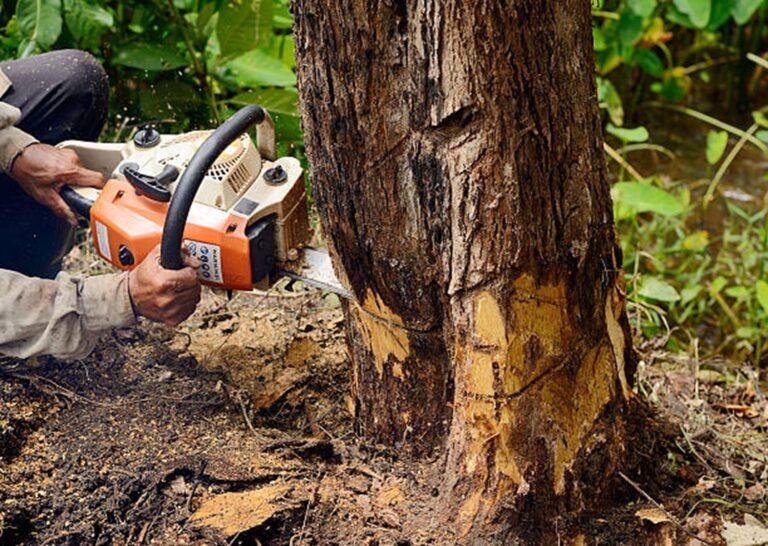
Over time, innovations transformed the field. The advent of the chainsaw in the 1920s revolutionized tree removal, making the process faster and more efficient. Later, the introduction of bucket trucks allowed arborists to reach towering heights with greater safety and precision.
Southern California’s history is punctuated by natural disasters – floods, wildfires, and even the occasional hurricane (yes, really!). These events have consistently underscored the need for skilled professionals who can respond quickly and effectively to tree-related emergencies.
More recently, the “epic drought” and subsequent bark beetle infestations have led to widespread tree mortality across California. Southern California Edison (SCE) undertook massive tree removal efforts to mitigate risks associated with weakened and dead trees near power lines. The drought weakened trees and made them more susceptible to bark beetle infestations. This crisis has put even more trees at risk in communities like Downey. And let’s not forget the emerging threats, like invasive species such as the dotted paropsine beetle, which is now impacting local eucalyptus trees. These challenges highlight the ever-evolving nature of tree care in our region.
IV. The Wild West of Tree Removal: Navigating Current Challenges & Controversies
When disaster strikes, homeowners understandably expect a rapid response – ideally 24/7 – from certified arborists who prioritize safety, communicate clearly, ensure thorough cleanup, and offer transparent pricing. But in the aftermath of a storm or other tree-related emergency, vulnerabilities emerge, and, unfortunately, some unscrupulous individuals are ready to exploit them.
The “Wild West” of tree removal has a dark side. Price gouging is rampant, with “storm chasers” descending on affected areas to inflate prices and take advantage of desperate homeowners. There are also cash-only scams, where companies demand full payment upfront and then vanish without completing the work. And perhaps most insidious of all, there are those who exaggerate or fabricate threats, claiming healthy trees are dangerous to justify unnecessary – and expensive – work.
In this environment, due diligence is your best defense. Always verify that any tree service you hire is properly licensed and insured (including Workers’ Compensation and General Liability). Failure to do so could leave you liable for accidents or damages on your property. And insist on working with certified arborists, professionals who have demonstrated their knowledge and expertise in tree care.
Downey presents its own unique challenges. While immediate hazard removal is often necessary, the city also has regulations regarding tree removal on private property. Navigating this permit puzzle requires careful documentation, communication with the Public Works department, and, crucially, hiring professionals who are familiar with local rules and regulations. The penalties for violating these regulations can be significant.
V. Branching Out: The Future of Emergency Tree Services
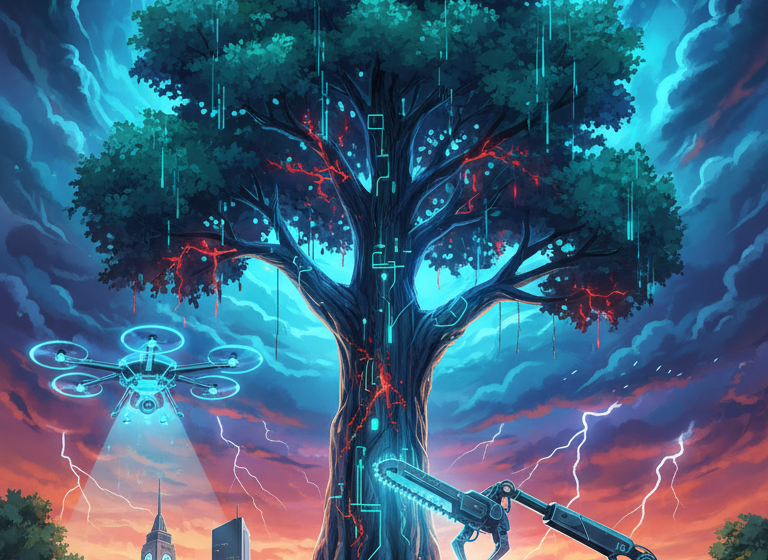
The future of emergency tree services is being shaped by technological advancements and the growing threat of climate change. On the technology front, drones equipped with high-resolution cameras are enabling more efficient and thorough tree inspections. Artificial intelligence (AI) is being used to analyze data and predict disease outbreaks, allowing for proactive interventions. And while we’re not quite at the point of having robotic arborists, remote-controlled cranes and grapple saws are already enhancing safety and efficiency in hazardous tree removal operations. Virtual reality (VR) and augmented reality (AR) are also being used to train arborists for safer and more complex operations.
However, climate change looms large, posing unprecedented challenges to our urban forests. Rising temperatures, prolonged droughts, and altered rainfall patterns are weakening trees, making them more vulnerable to pests, diseases, and extreme weather events. We can expect more intense storms, fires, and heatwaves, all of which will increase the demand for emergency tree services. Milder winters, in particular, are contributing to more frequent and severe insect and disease outbreaks.
In response to these challenges, there’s a growing push for proactive tree health management, sustainable practices (such as eco-friendly pest control and wood recycling), and robust urban forestry initiatives to protect Downey’s green canopy for generations to come.
VI. Conclusion: Staying Grounded in Downey’s Green Landscape
Emergency tree services are a vital component of maintaining a safe and healthy urban environment. Their history is rich, the controversies are real, but the future holds promising advancements. As a homeowner in Downey, your key takeaways are clear: Know when to call for help, vet your tree care professionals diligently, understand local rules and regulations, and embrace proactive tree care.
Protecting our urban forest is a shared responsibility. By taking these steps, we can ensure that Downey remains a beautiful, safe, and green place for all.